
The City’s Sacred Geography
Felix AustriaThis flow traces the religious landscape of the city and how sacred institutions intersect with class, community, crime, and personal consolation.
increasing Bearing strength in each event
 decreasing
Bearing strength in each eventdecreasingMany Places of Worship
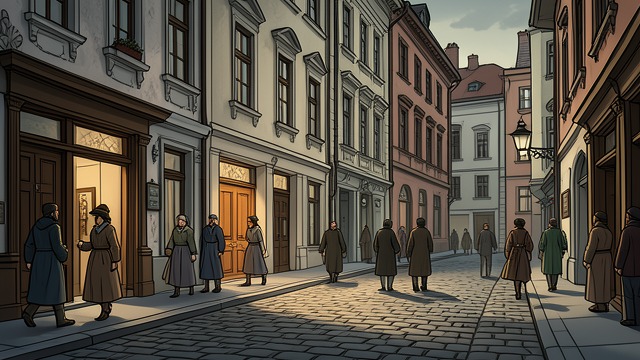
A Shared Religious Landscape
Diverse communities
The city contains Catholic, Greek Catholic, Armenian, Jewish, and Protestant institutions. Their customs and sacred objects appear in Stefania’s daily knowledge of local life.
Difference and proximity
The communities occupy distinct spaces but are connected through trade, civic life, and shared urban events. The city’s religious diversity is lived rather than merely described.
Reports of Stolen Relics
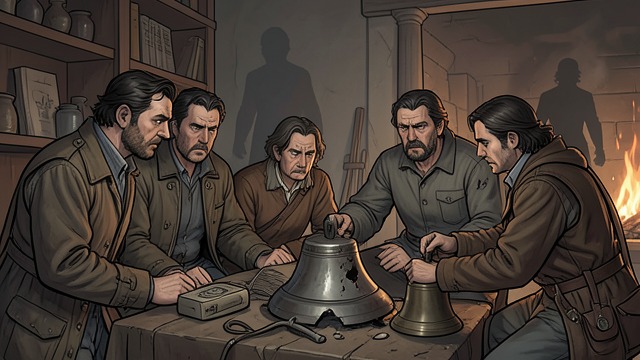
Sacred Objects Disappear
Loss across communities
Churches, monasteries, and synagogues report missing vessels and ritual objects. Their different traditions are joined by the shared shock of unexplained theft.
A public mystery
The thefts produce rumors of supernatural activity and draw the city’s attention to its religious institutions. The objects’ disappearance becomes a test of trust and explanation.
The Prison Chapel
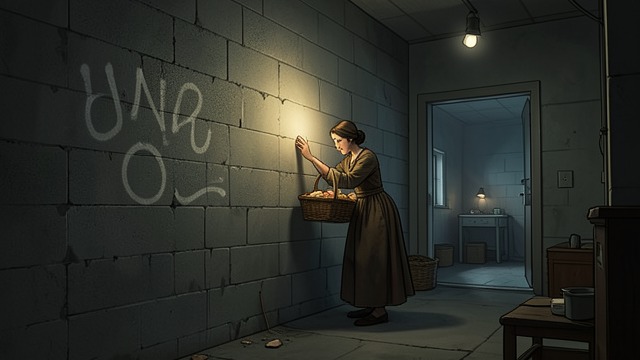
Faith at a Boundary
A chapel behind walls
Father Josef serves in a prison chapel, where sacred practice takes place within an institution of punishment. Stefania hears prisoners singing through the wall and brings them cakes.
Mercy crosses the boundary
The prisoners are described as sinners by some observers, but their singing and Josef’s pastoral care make them part of the city’s spiritual community. The chapel links punishment with consolation.
A Churchyard Confession
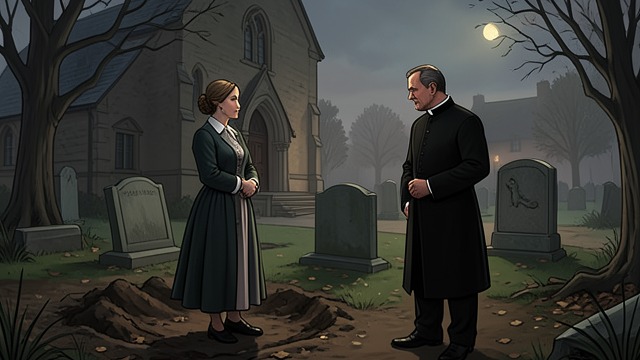
The Sacred Outside the Church
A request for confession
Stefania asks Father Josef to hear her confession near the prison, but the chapel’s location and religious rules create an obstacle.
A human response
Josef listens outdoors, making compassion more important than the formal setting without dismissing the rule itself. The encounter brings institutional religion into contact with individual need.
Relics in the Burning House
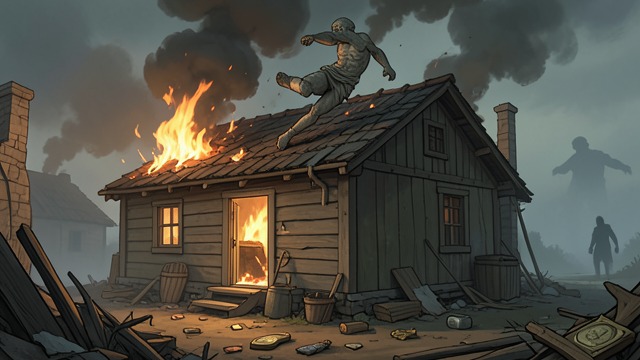
Sacred Objects Return
Hidden things emerge
The stone woman falls during the fire, releasing the objects stolen from religious sites. The private house becomes the place where the city’s sacred losses are gathered.
A mystery with material consequences
The relics’ exposure joins domestic catastrophe to the wider religious story. Sacred objects do not prevent the fire; they are caught within the same vulnerable world as the household.
In the city around 1900
Winter 1899–1900
Summer 1900
August 1900
Near the ending
